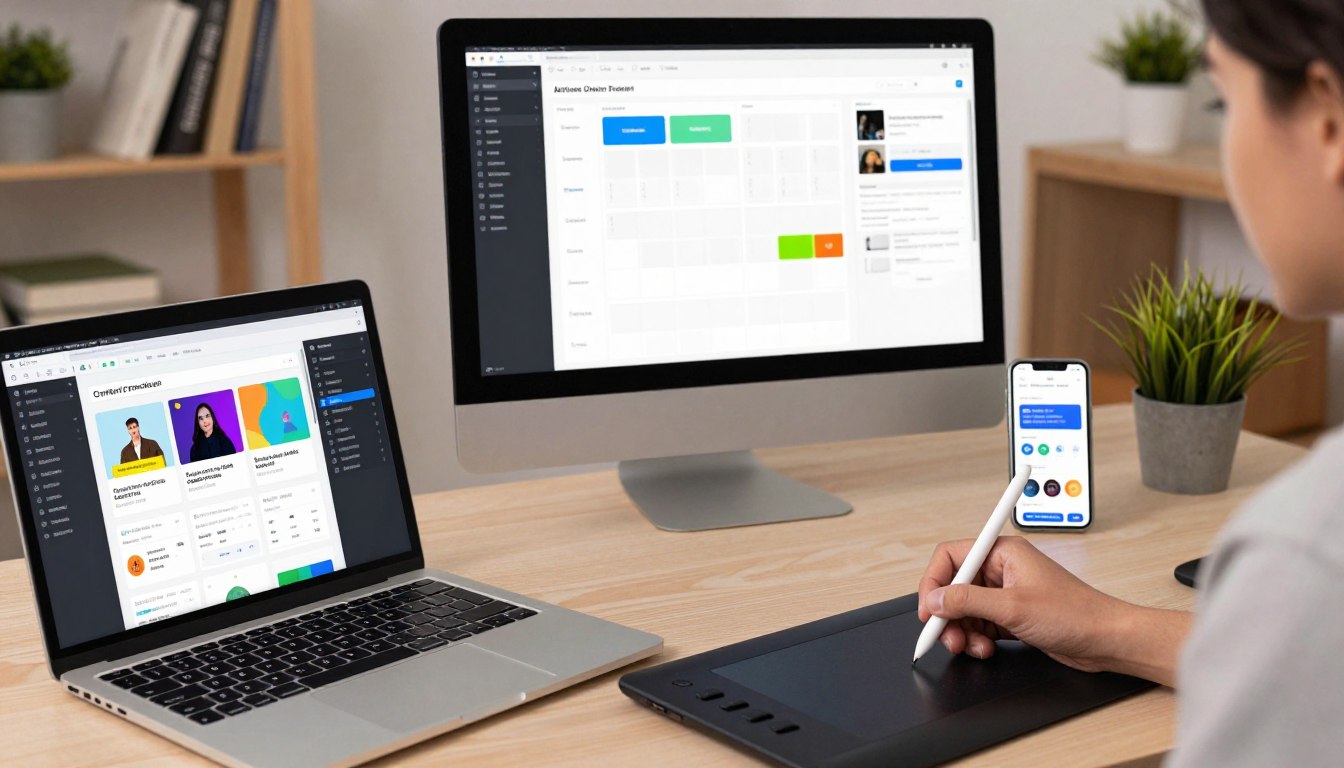
Did you know companies with automated sales tools see a 14% boost in productivity? In today’s fast-paced market, managing client relationships manually is unsustainable for growing teams.
Choosing the best CRM software for small business is key to building lasting loyalty. By picking a platform that meets your needs, you can streamline daily workflows and achieve new levels of efficiency.
The right system does more than just store contact details. It acts as a central hub that empowers your staff to close deals faster and track performance with ease. When you prioritize a user-friendly interface, your team will adopt these tools quickly. This ensures a significant return on your investment.
Key Takeaways
- Automated systems can boost team productivity by over 10%.
- Centralizing client data is essential for sustainable revenue growth.
- User-friendly platforms ensure faster team adoption and better results.
- Modern tools help you nurture long-term customer loyalty effectively.
- Choosing the right technology streamlines your daily sales operations.
Top Picks for the Best CRM Software for Small Business

Choosing the best CRM software for small business is a big decision. You need to look at what each platform offers your team. It’s important to find the right fit for your sales process and growth goals.
These platforms are great for organizing data, tracking interactions, and closing deals fast. They focus on usability and scalability. This keeps your team productive as you grow.
HubSpot CRM
HubSpot is known for its user-friendly interface and strong free tier. It’s perfect for managing contacts without spending money right away.
It tracks email opens and website visits in real-time. This lets your sales team reach out at the best time. It boosts your chances of making a sale.
Pipedrive
Pipedrive is great for teams that like visual organization. It has a drag-and-drop interface that makes managing your sales pipeline easy.
You can customize your deal stages to fit your sales cycle. This clarity helps you spot bottlenecks early on.
Zoho CRM
Zoho is praised for its deep customization options. It’s a strong choice for businesses that need to automate complex workflows without needing a developer.
It integrates well with many third-party apps. This ensures your data flows smoothly across your tech stack.
Freshsales
Freshsales is the best crm for start-ups because of its AI features. It helps you prioritize leads based on their engagement levels. This way, you know which prospects to call first.
The interface is clean and modern. This makes it easy for new employees to learn. You can get your team up and running quickly.
| Platform | Best For | Key Strength | Pricing Model |
|---|---|---|---|
| HubSpot | Beginners | Free Tier | Freemium |
| Pipedrive | Sales Teams | Visual Pipeline | Subscription |
| Zoho CRM | Customization | Automation | Tiered |
| Freshsales | Start-ups | AI Insights | Subscription |
Key Features to Look for in Affordable CRM Solutions
Choosing the right CRM platform means looking beyond the cost. You need to find features that help your business grow. Make sure the software fits your goals to avoid wasting money.
Contact and Lead Management
A good CRM keeps all your customer interactions in one spot. This stops you from losing track of leads.
Good small business crm features help sort leads by their buying stage. This way, your team knows who to contact and when, turning prospects into customers.
Sales Pipeline Automation
Manual data entry wastes a lot of time. A CRM with strong automation saves your team from this hassle. It lets them focus on closing deals.
Automation offers many benefits:
- Automatic lead scoring to focus on top prospects.
- Customized follow-up reminders to catch every opportunity.
- Real-time reporting for quick sales insights.
Integration Capabilities with Existing Tools
Your CRM should work well with other tools you use. This makes your digital setup more efficient.
When looking for affordable crm solutions, check for integrations with your current tools. This ensures your data stays accurate.
Look for compatibility with:
- Email platforms for better communication tracking.
- Accounting software for smoother invoicing.
- Marketing automation tools to sync lead generation with sales.
By focusing on these key small business crm features, you’re setting your business up for success. A well-integrated system saves time, cuts down on mistakes, and keeps your team growing.
Conclusion
Choosing the right digital partner can really boost your business. Investing in good crm software for smes gives your team the tools they need. This helps them stand out in a busy market.
You have the knowledge to pick a platform that fits your budget and sales goals. These tools make complex data easy to understand. They help you find ways to grow your revenue.
Start by signing up for a free trial with HubSpot, Pipedrive, Zoho, or Freshsales. Trying them out lets you see which one works best for you. Getting the right crm software for smes can lead to better customer loyalty and more sales. Begin your trial today and see how it can improve your sales pipeline.