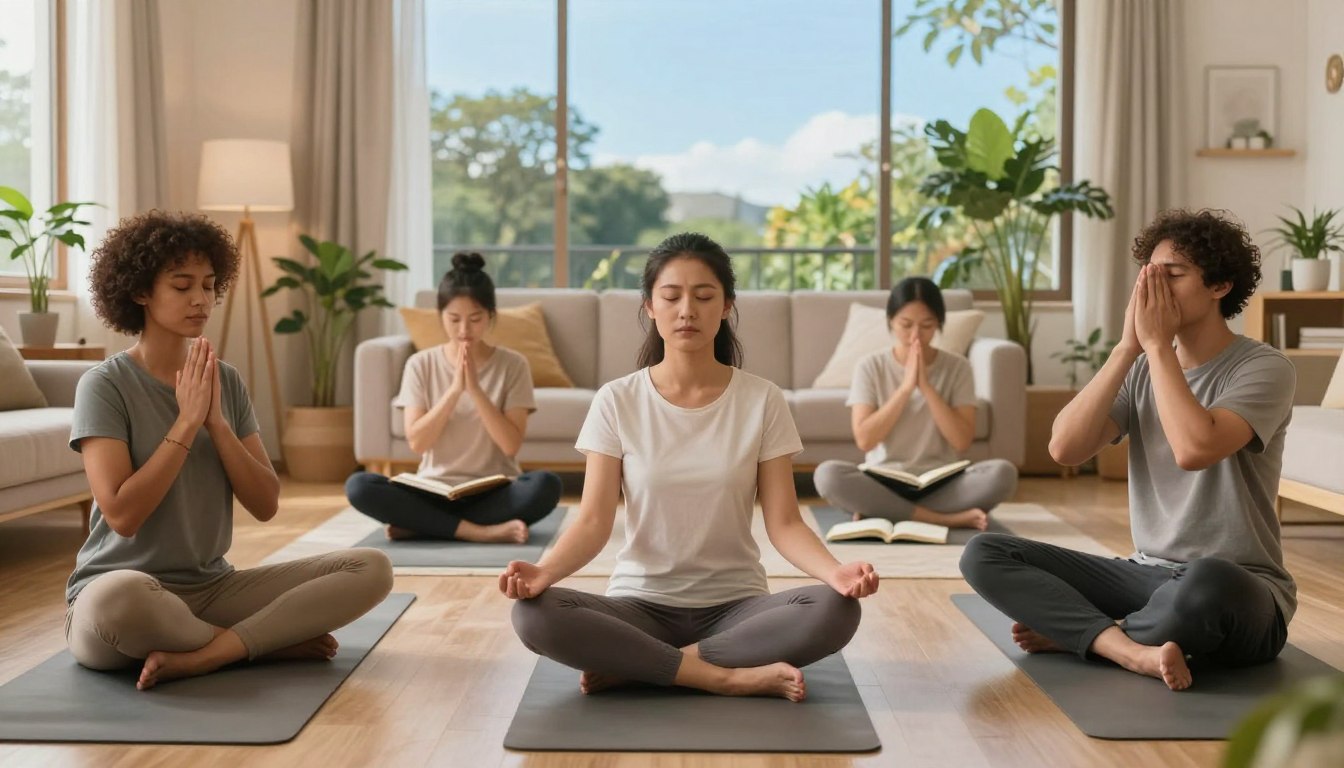
Did you know nearly 77% of Americans often feel physical symptoms from stress? This shows why it’s key to find effective ways to reduce stress for your health. You should feel calm and focused, even when life gets busy.
Using simple stress management techniques for everyday life helps you take back control of your mind. You don’t need to change everything to see improvements. Small, steady habits build a strong base for emotional stability.
By making these small changes, you can better handle daily challenges. Soon, you’ll see that a balanced approach brings more joy and better well-being. Let’s look at how you can start building these positive habits today.
Key Takeaways
- High pressure impacts your physical health more than you might realize.
- Small, consistent habits provide the best path to emotional balance.
- You can improve your mental clarity without changing your entire schedule.
- Simple routines help you navigate modern challenges with ease.
- Prioritizing your well-being leads to a more fulfilling and happy existence.
Practical Stress Management Techniques for Everyday Life

When your daily schedule gets too much, having some reliable tools can make a big difference. You don’t have to change your whole life to find peace in a busy day. Simple stress management techniques for everyday life can help you stay calm and focused, even in tough situations.
Quick Breathing Exercises for Immediate Relief
Breathing is a simple yet powerful stress relief tip. These techniques tell your nervous system to relax. You can do them anywhere, like at your desk or in line.
Box Breathing Method
The Box Breathing Method is great for regaining focus fast. Inhale for four seconds, hold for four, exhale for four, and hold again for four. This pattern is a top coping mechanism for stress during a busy afternoon.
The 4-7-8 Technique
Feeling your heart race? Try the 4-7-8 technique. Inhale for four counts, hold for seven, and exhale for eight. This lowers your heart rate and clears your mind quickly.
Mindfulness Practices to Ground Yourself
Beyond breathing, mindfulness practices keep you present when thoughts overwhelm you. These habits help you stay focused on the now, avoiding the stress of multitasking.
Sensory Awareness Exercises
Use the 5-4-3-2-1 method to ground yourself. Notice five things you see, four things you touch, three things you hear, two things you smell, and one thing you taste. This exercise helps your brain focus on what’s around you, not your worries.
Mindful Walking During Your Commute
Make your commute a moment of calm. Instead of checking your phone, pay attention to your feet and breath. This mindful walking practice helps you transition between home and work with purpose.
| Technique | Primary Benefit | Best Used For |
|---|---|---|
| Box Breathing | Mental Clarity | High-pressure meetings |
| 4-7-8 Breathing | Physical Calm | Immediate anxiety relief |
| Sensory Awareness | Grounding | Feeling overwhelmed |
| Mindful Walking | Consistency | Daily transitions |
Using these stress management tools regularly builds a strong mental foundation. Start by choosing one technique to practice today.
Building Long-Term Resilience Through Daily Habits
Building long-term resilience starts with small, intentional choices every day. Focus on your physical health and personal boundaries. This creates a sustainable foundation for your mental well-being. These steps are key coping mechanisms for stress that make life easier.
Prioritizing Physical Well-being
The Role of Consistent Sleep Hygiene
Quality sleep is a top stress relief tip. A consistent sleep schedule helps your body recover from daily stress. Create a calm environment to signal to your brain it’s time to rest.
Movement as a Natural Stress Reliever
Regular physical activity is a powerful stress reducer. It releases endorphins. Even a brisk walk or light stretching can help. Adding movement to your routine is a reliable stress management activity for long-term health.
Setting Boundaries to Protect Your Energy
Learning to Say No Without Guilt
Protecting your time is key to mental health. Learning to say no helps you focus on what matters. Remember, saying no is not selfish; it’s self-care that prevents burnout.
Digital Detox Strategies for Better Focus
Constant connectivity can lead to mental fatigue and anxiety. Using digital detox strategies, like turning off notifications during dinner, helps you focus. These simple stress handling techniques keep you present and engaged.
| Activity | Primary Benefit | Frequency |
|---|---|---|
| Consistent Sleep | Mental Clarity | Daily |
| Physical Movement | Tension Release | Daily |
| Setting Boundaries | Energy Preservation | As Needed |
| Digital Detox | Improved Focus | Weekly |
By consistently using these ways to reduce stress, you build a balanced life. These habits are not just quick fixes; they are the foundation of a resilient mindset. Start small, stay consistent, and see how you handle pressure better over time.
Conclusion
Keeping your inner balance takes ongoing effort. Use these relaxation strategies all week to stay well.
See these stress management activities as key investments in your health. They’re not just quick fixes for tough times.
You can change your daily life with simple mindfulness practices. These habits keep you calm when things get tough.
Choose the stress handling techniques that fit your life best. Tools like Headspace or Calm can help you stay focused.
Have your favorite stress management tools ready for when you need them. Small, daily choices lead to a more peaceful life.
Begin your practice today and see how your view changes. Share your journey with friends or family to get their support.